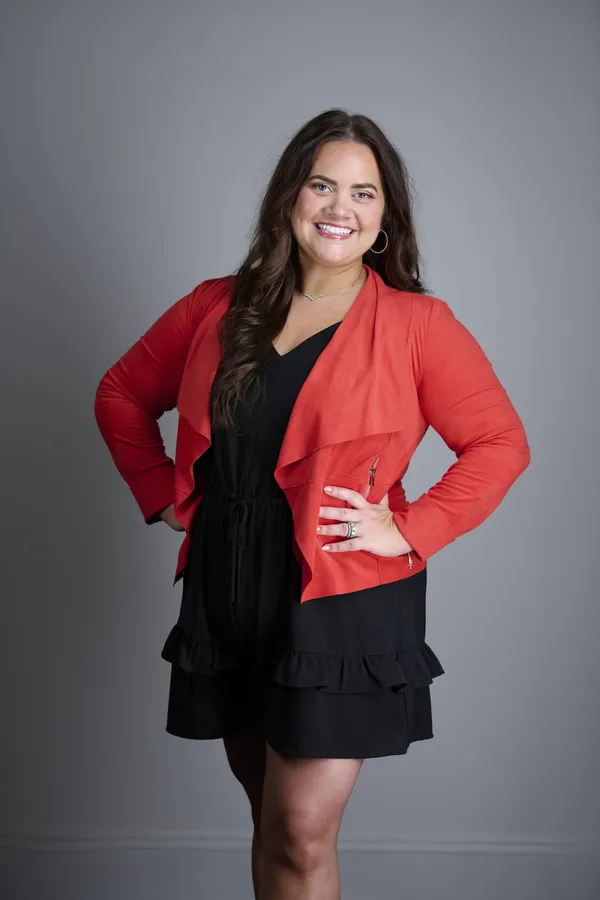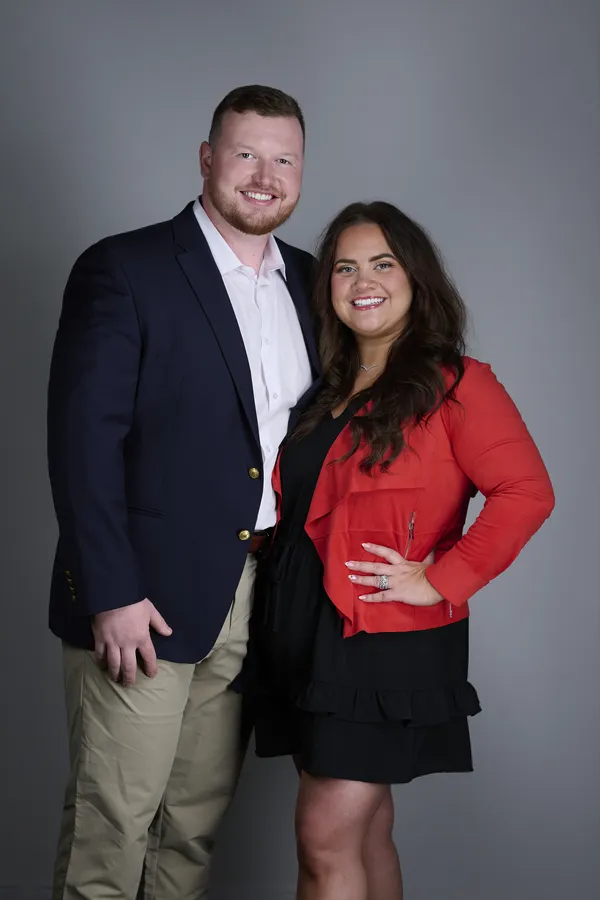
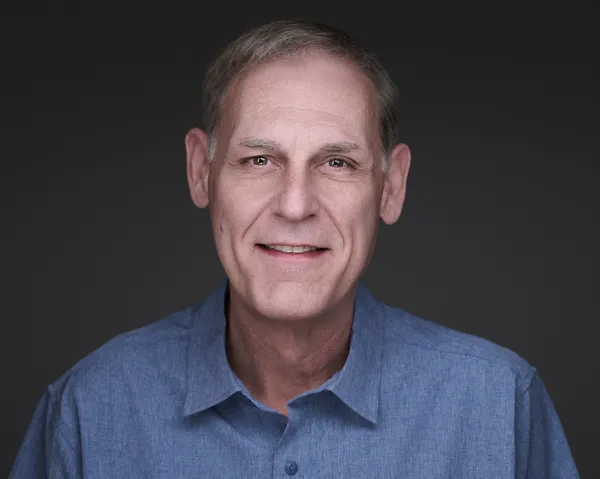
Actor headshots need to do one thing clearly: show casting teams what you actually look like and what kinds of roles you can believably play. At HeadshotsNEO, our actor sessions are built around multiple wardrobe looks, theatrical and commercial expressions, professional coaching, natural retouching, and final files prepared for both digital submissions and 8x10 prints.
Why Actor Headshot Requirements Are Non-Negotiable
Casting teams need a headshot that is current, clear, and honest. If the image is over-edited, too stylized, badly lit, or no longer looks like you, it works against you before your resume or reel gets considered. The goal is not to create a glamour portrait. The goal is to create a professional casting photo that makes sense for the roles you are pursuing.
- Accurate representation: You look like your photo when you walk into the room. Casting directors reject actors whose headshots don't match reality.
- Technical compatibility: Final files should be easy to use for online submissions, agency requests, and printed 8x10s.
- Professional credibility: Proper headshots signal you understand the business and invest in your career.
At HeadshotsNEO, we focus on actor headshots that show range without making you look like a different person.
File Delivery: What You Actually Need
Exact upload rules can vary by casting site, agency, theater, or submission portal, so it is risky to treat one platform's settings as universal. What matters is leaving your session with clean, flexible files that can be used in the common places actors need them.
File Format
- JPEG files are the practical standard for most digital submissions and online profiles.
- High-resolution files are useful for printing and archiving; smaller web-ready files are useful for upload forms and email.
- If a casting platform gives you a specific pixel or file-size limit, export a copy to that requirement rather than resizing your only master file.
Resolution and Dimensions
- Print-ready files should hold up for traditional 8x10 actor headshots.
- Web-ready files should be easy to upload without destroying image quality through repeated compression.
- Vertical 8x10 framing is still the safest traditional format, while tighter crops can be created for profile thumbnails when needed.
HeadshotsNEO delivers actor images with print and web use in mind. If you already know a specific agency or casting site requirement, bring it up before delivery so the files can be prepared correctly.
File Size
- Keep a high-quality master file for future use.
- Make smaller copies only when a platform requires them.
Composition and Framing Standards
Casting directors expect specific framing to assess your features and type quickly.
Standard Framing: Shoulders to Top of Head
- Theatrical headshot: Frame from mid-chest/shoulders up. Shows full face, neck, and slight hint of shoulders. Eyes should be in the upper third of the image.
- Commercial headshot: Can include slightly more shoulder/upper torso if conveying approachability or lifestyle vibe, but face remains dominant.
- Avoid: Full-body shots (unless requested for dance/modeling), extreme close-ups (loses context), or crops cutting off the top of your head.
Eye Contact and Direction
- Direct to camera: Eyes meet the lens and establish connection. This is how the vast majority of professional actor headshots are done.
- Off-camera gaze: Rare; used for specific character storytelling. Only include as a secondary shot, never your primary.
Head Angle and Posture
- Straight-on or slight angle: Face the camera directly or turn body 15-30 degrees with head rotated back. Extreme angles distort features.
- Chin position: Level or very slightly down (5 degrees). Too high elongates neck awkwardly; too low shortens it.
- Shoulders: Relaxed, one slightly forward if angled. Tension shows immediately.
Background and Lighting Requirements
Background Standards
- Neutral solids: Light gray, off-white, or muted tones. This is the industry standard and keeps focus on your face.
- Blurred environments: Acceptable for commercial headshots (outdoor parks, urban settings) but theatrical headshots stick to solids.
- Never: Busy patterns, studio equipment visible, harsh shadows on background, or pure white/black (causes harsh contrast).
Lighting Essentials
- Natural, even lighting: Soft, diffused light that eliminates harsh shadows under eyes, nose, or chin. Professional setups use 2-3 lights (key, fill, hair/rim).
- Color temperature: Daylight-balanced (5500-6500K) for neutral skin tones. Warm tungsten or cool fluorescent tints look amateur.
- Catch lights: Small reflections in the eyes from lights add life. Missing catch lights result in flat, lifeless eyes.
Theatrical vs. Commercial Headshots: Key Differences
Actors need both types. Here's how they differ:
| Aspect | Theatrical Headshot | Commercial Headshot |
|---|---|---|
| Expression | Neutral to serious; shows range and depth | Bright, approachable smile; friendly energy |
| Wardrobe | Simple, timeless (solid tees, henleys, muted tones) | Relatable, casual (jeans, sweaters, "everyday" looks) |
| Background | Solid neutral (gray, off-white) | Solid or blurred natural environment |
| Vibe | Character-driven; can you play complex roles? | Lifestyle-driven; would I buy products from you? |
| Use Cases | Film, TV dramas, theater auditions | Commercials, print ads, lifestyle casting |
Standard practice: use one well-planned session to capture both directions. HeadshotsNEO actor sessions are designed for multiple wardrobe changes, background options, and coached expression shifts so you can leave with proof options for theatrical and commercial needs.
Wardrobe Requirements: What to Wear
Your clothing frames your face. Don't let it distract or date your headshot.
Universal Wardrobe Rules
- Solid colors: Navy, gray, black, white, earth tones. Avoid loud patterns, logos, or graphics as they distract and date quickly.
- Fit: Well-fitted but comfortable. Too tight looks unprofessional; too loose looks sloppy.
- Necklines: Crew necks, V-necks, collared shirts. Avoid turtlenecks (shorten neck) or plunging necklines (inappropriate for headshots).
- Timelessness: Skip trendy cuts or accessories. Your headshot should last 1-2 years without looking dated.
Specific Recommendations by Type
- Theatrical looks: plain tees, henleys, simple button-ups, tanks, or fitted tops in muted tones. Keep the focus on face, eyes, and emotional range.
- Commercial looks: approachable everyday layers such as sweaters, casual button-ups, cardigans, or clean lifestyle pieces that suggest warmth and relatability.
- Professional or upscale looks: useful when you want to be considered for attorneys, doctors, executives, hosts, or polished commercial roles.
- Character-adjacent looks: bring them only if they support roles you realistically pursue. Avoid costumes unless a casting professional specifically requests them.
Retouching Standards: Natural vs. Over-Edited
Actor retouching should be conservative. The image still has to look like you when you walk into an audition, callback, self-tape, or meeting.
What's Acceptable
- Temporary blemishes: Remove pimples, cuts, or bruises that won't be present at auditions.
- Under-eye bags: Lighten dark circles slightly if caused by lighting, not if they're your natural state.
- Stray hairs: Clean up flyaways that catch light awkwardly.
- Color correction: Ensure accurate skin tones and balanced exposure.
What's Forbidden
- Heavy skin smoothing or airbrushing that removes real texture.
- Teeth whitening or eye brightening that looks artificial.
- Altering features: Slimming face, enlarging eyes, reshaping nose. You must look like your photo in person.
- Filters or Instagram effects: Instant rejection. Professional headshots are unfiltered.
The rule: if someone meeting you says, "You don't look like your headshot," the image has failed its job.
How Often to Update Your Headshots
- Every 1-2 years: Standard industry practice, even if your look hasn't changed drastically.
- Immediately if: Major appearance changes including haircut/color, weight gain/loss (15+ lbs), facial hair changes, or aging that shows.
- After representation changes: New agent/manager may request specific styles aligned with their marketing.
Common Delivery Needs at a Glance
| Use | Format | What Matters | Notes |
|---|---|---|---|
| Casting profiles | JPEG | Clean upload, clear face, current look | Check active platform limits before uploading |
| Agency submissions | JPEG | Professional polish without heavy editing | Send agency-specific directions before final export |
| 8x10 prints | JPEG | Print-ready resolution and traditional vertical crop | Useful for theater, classes, workshops, and in-person materials |
| Website or social bio | JPEG | Web-ready file size and crop flexibility | A tighter crop may be useful for small thumbnails |
Pro tip: Always check current specs on each platform before uploading since requirements change. Keep your high-quality final file and make smaller copies from it as needed.
Choosing the Right Photographer for Actor Headshots
Look for a photographer who understands both professional portrait technique and actor-specific needs:
- Portfolio review: Do they have experience with actors? Look for range (theatrical vs. commercial), natural retouching, and proper framing.
- Range: They should understand the difference between theatrical, commercial, professional, and character-adjacent looks.
- Session style: Do they coach during shoots? Actor headshots require directing expression and energy, not just "say cheese."
- Turnaround: HeadshotsNEO standard turnaround is 5 business days, with rush options available when scheduling allows.
- Delivery: Ask for files that support both print and web use, and share any specific agency or casting-site requirements before final export.
Common Actor Headshot Mistakes to Avoid
| Mistake | Why It Hurts | Solution |
|---|---|---|
| Using selfies or smartphone shots | Unprofessional; poor lighting and framing | Invest in a professional session |
| Over-retouching | You don't look like your photo in person | Natural retouching only; temporary flaws removed |
| Outdated headshots (3+ years old) | Doesn't represent current look; credibility lost | Update every 1-2 years or after appearance changes |
| Wrong file specs | Upload failures or compression issues | Match platform requirements exactly |
| Busy backgrounds or distracting wardrobe | Draws focus away from your face | Neutral backgrounds, solid clothing |
Ready to Book Your Professional Actor Headshots?
Meeting actor headshot requirements comes down to presenting yourself honestly and professionally so casting directors see your potential before you walk into the room. From technical specs to wardrobe choices, every detail signals your commitment to the craft. At HeadshotsNEO, we specialize in actor headshots that meet industry standards while showcasing your unique castability. Book your session today and let's create headshots that open doors to your next big role.